


Baking paper should be judged by the job it performs in the oven, not by its color or thickness. A sound choice starts with the product, temperature and food-contact conditions.
Why appearance is not enough
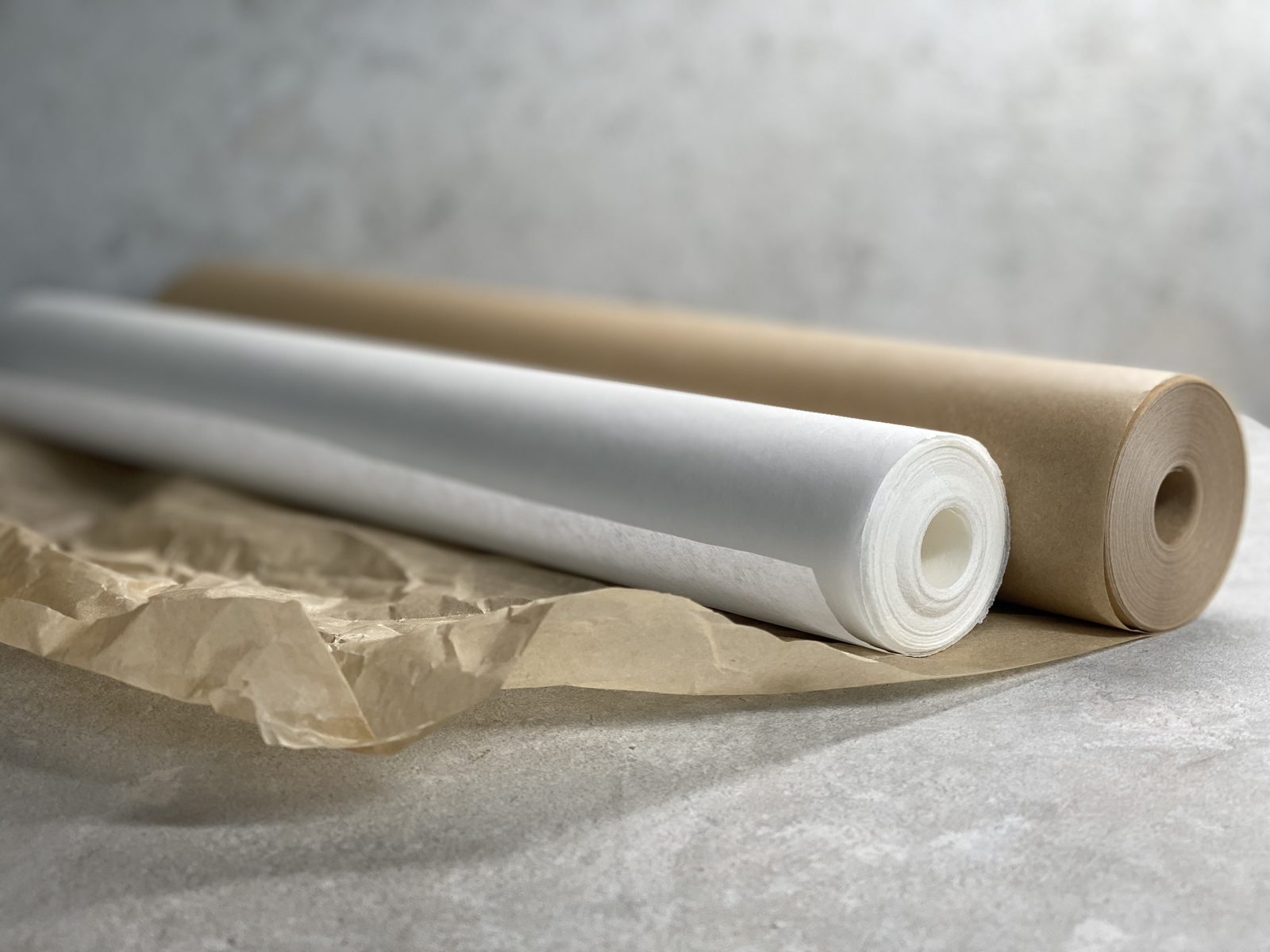
Two white or brown sheets can be intended for entirely different uses. One may be suitable for serving or wrapping, while another is designed for heat. Color, smoothness and even thickness do not show how a material will behave around fat, moisture and sustained temperature.
Base the choice on the application: what is being cooked, at what temperature, for how long, and whether the paper touches food directly. These facts distinguish a baking material from ordinary wrapping paper.
- temperature and heating time
- product fat and moisture
- direct food contact
- single or repeated use conditions
What to confirm with the supplier
Saying that you need baking paper is not a complete brief. Share the equipment type, maximum temperature, average baking time and product. Ask for a clear explanation of the intended use and the documentation relevant to food contact.
If the paper has a coating or special treatment, understand its purpose. Grease resistance, moisture resistance and easy release are different properties. The right material is not the one with the longest feature list, but the one justified by your process.
How to run a production test
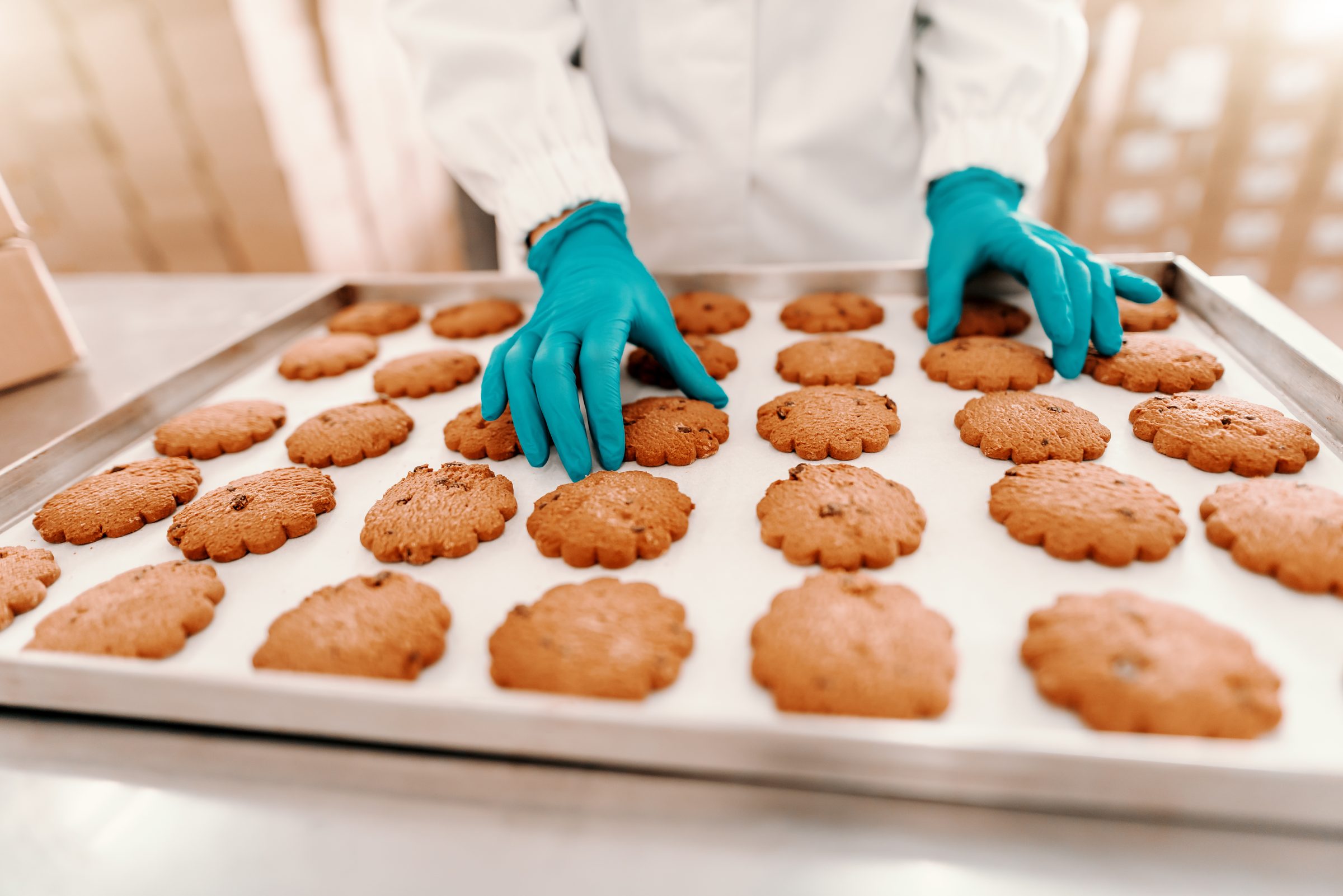
Test the sample with your recipe, equipment and normal operating cycle. Check whether the product releases cleanly, the paper remains intact, and the lower surface keeps the expected color and texture.
One successful tray is not enough. Repeat the trial at different loads. For sheets or reels, also assess size accuracy, preparation time and storage at the workstation.
- clean product release
- paper integrity after heating
- even baking and a clean surface
- correct size and efficient handling
What to record in the specification
After approving a sample, record more than size and quantity. Include material type, basis weight, intended conditions, pack format and acceptable tolerances. These details become the reference for future batches.
Repeatability matters in regular production. A clear specification lets procurement compare not only the price of a kilogram or reel, but also actual consumption, handling time and reject risk.
+Save before ordering
Five questions for your supplier
- Is the material intended for your temperature and heating time?
- Which documents cover food contact?
- What does the coating or treatment do?
- Can the sample be tested on your product?
- How will future-batch specifications be controlled?
A safe choice starts with the right questions
Baking paper is a production material, not simply a white or brown sheet. Match it to your recipe, thermal cycle and workflow, and always validate a sample under real conditions before the main order.
Discuss your product